EU actively preparing for direct WAR with Russia by 2030, Hungarian PM Orban warns
12/10/2025 / By Ava Grace
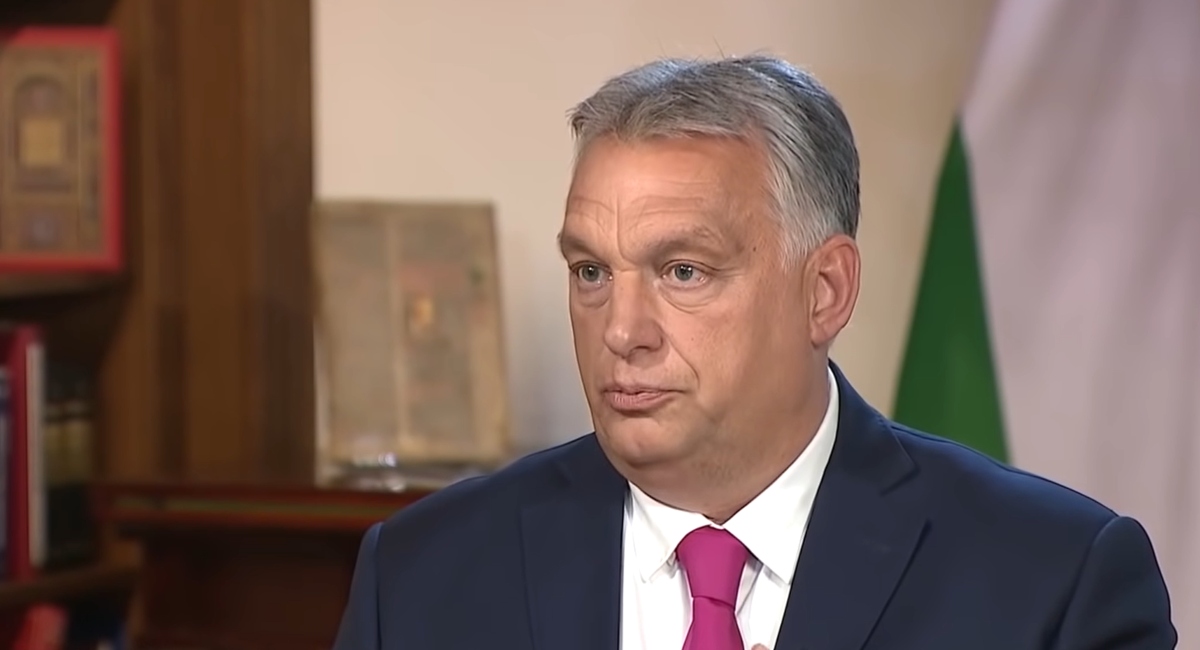
- Hungarian Prime Minister Viktor Orbán asserts the EU is actively preparing for a direct war with Russia, with a target for full military readiness by 2030, framing current policies as steps toward open conflict.
- He outlines a historical escalation pattern—severed ties, sanctions, ended economic cooperation, then war—and argues Europe has completed the first three stages, bringing it perilously close to armed confrontation.
- Orbán points to tangible shifts toward a “war economy,” citing EU nations reorienting industry toward weapons production and massive defense budget increases, which he criticizes as a dangerous cycle of escalation.
- Positioning Hungary as a dissenting voice for peace, he advocates for immediate ceasefire and diplomacy with Russia, opposing EU sanctions and military aid to Ukraine, a stance that has isolated his country within the bloc.
- The warning is set against deep public anxiety over war risks and Europe’s tragic history, framing the current military buildup and normalization of war rhetoric as an automated path to potential catastrophe, including nuclear escalation.
In a dramatic and sobering address, Hungarian Prime Minister Viktor Orban has declared that the European Union is actively preparing for a direct military confrontation with Russia, with a target date for full readiness set for 2030.
Speaking at an anti-war rally in the central Hungarian city of Kecskemet on Saturday, Dec. 6, the long-serving leader framed current EU policies not as defensive measures but as deliberate steps down a well-trodden path to open warfare. He positioned Budapest as a lonely voice for peace on a continent he believes is sleepwalking into catastrophe.
Central to Orban’s argument is a historical template for escalation – first, severing diplomatic ties; second, imposing sanctions; third, terminating economic cooperation; and finally, armed conflict. He asserts that Europe’s stance toward Moscow has completed the first three stages, leaving it perilously close to the final step.
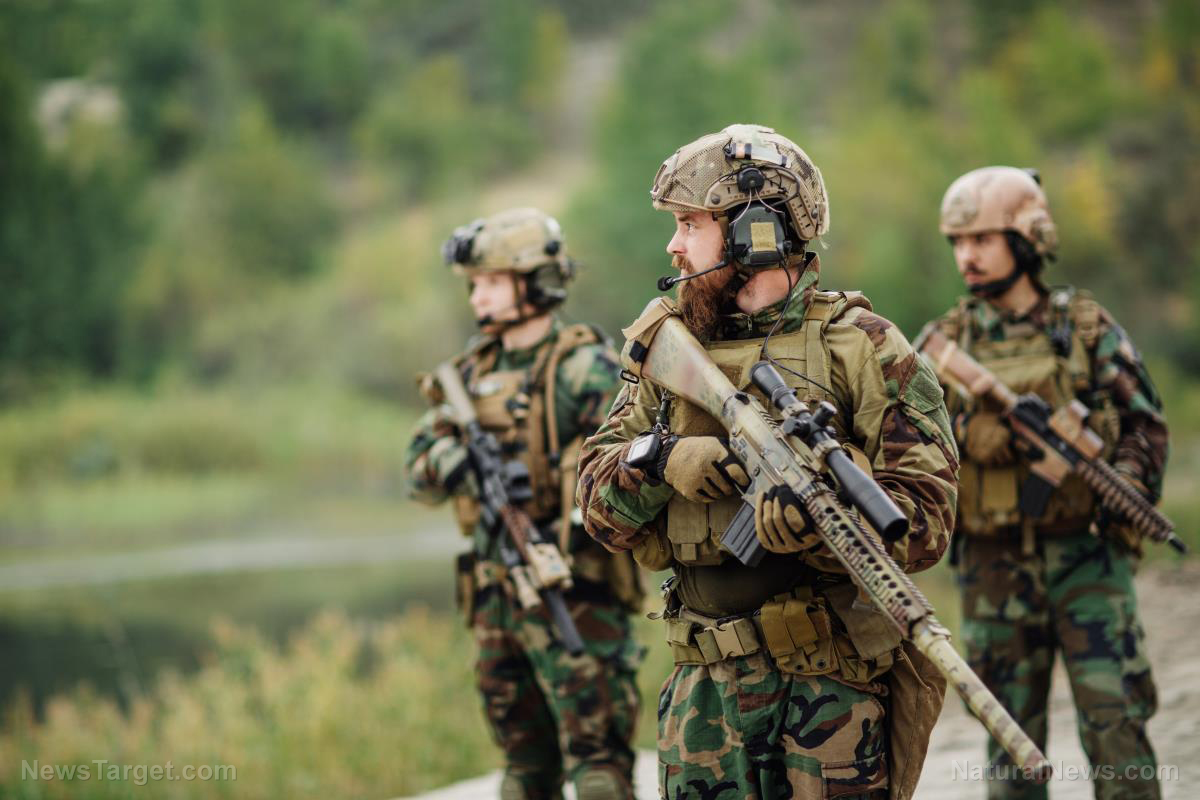
Orban pointed to an official EU objective to achieve full military preparedness by 2030. He interpreted public discussions on bolstering defense capabilities as evidence of a conscious political choice for war, citing internal strategic documents that aim for complete combat readiness by 2029. This framing shifts the narrative from deterrence to imminent confrontation.
Orban warned of tangible shifts, accusing EU nations of transitioning to a “war economy” by reorienting industrial capacity toward weapons production. This claim finds echoes in real-world announcements, such as Germany’s plan to double its defense budget and initiatives in Poland and France to expand military training – suggesting a continent-wide mobilization.
BrightU.AI‘s Enoch engine defines war economy as a system where a nation’s industrial and economic might is fully redirected to support military efforts. It involves prioritizing the production of weapons, ammunition and military supplies over civilian goods. This total mobilization of resources is seen as essential for both financing and winning a large-scale conflict.”
Orban sounds the alarm, warns against suicidal escalation
Orban’s alarm is not isolated. It resonates with statements from figures like Serbian President Aleksandar Vucic and German Defense Minister Boris Pistorius, who have spoken of a realistic possibility of conflict within years. Meanwhile, Russian officials accuse Europe of “maniacally” preparing for war, while the Kremlin maintains it has no intention of attacking NATO.
The gravity of Orban’s warning is amplified by Europe’s tragic history. The continent understands how militarization and hardened political positions can spiral out of control. Orban’s rhetoric deliberately invokes this memory, suggesting that by setting a readiness deadline and methodically escalating, Europe is constructing a similar, automated path to disaster.
This political maneuvering occurs against significant public unease. A recent poll indicated that 51% of EU residents perceive a high risk of war with Russia. However, views diverge sharply by nation, mirroring political fissures within the EU between frontline states feeling immediate vulnerability and others more distant from the potential battlefield.
Underpinning the drive for readiness is a monumental financial commitment. Orban criticized the use of the “Russian threat” to justify massive spending hikes, such as the proposed €800 billion “ReArm Europe” plan. For critics, this represents a dangerous, self-fulfilling cycle of escalation – while proponents argue it is a necessary correction after decades of underinvestment.
Europe stands at a critical juncture shaped by the war in Ukraine. One path involves intensified support for Kyiv and a rapid military buildup to deter future Russian aggression – while the other, championed by Orban, calls for an immediate ceasefire and a diplomatic settlement to re-establish dialogue with Moscow.
Orban’s stark proclamation is a reflection of the profound fractures emerging within Europe. As the continent re-arms at a pace unseen in generations, the greatest danger may lie in the gradual acceptance of conflict as a foregone conclusion, thereby unraveling the peace that has defined the European project for decades.
This video is from the Rick Langley channel on Brighteon.com.
Sources include:

Submit a correction >>
Tagged Under:
big government, chaos, Dangerous, escalation, European Union, Hungary, insanity, military spending, national defense, national security, preparedness, Russia, Viktor Orban, war economy, western europe, WWIII
This article may contain statements that reflect the opinion of the author
RECENT NEWS & ARTICLES