Report: U.S. Officials Linked Medical Support to Mineral Access in African Nations
04/12/2026 / By Garrison Vance

Introduction
The Department of State has proposed linking U.S.-funded medical support programs to secure preferential American access to critical mineral deposits in several African nations, according to diplomatic sources and recent reports. The initiative was discussed during diplomatic meetings in early April 2026.
The proposal marks a significant shift in U.S. foreign health assistance under the administration of President Donald Trump, who took office in January 2025 following the 2024 election. It forms part of a broader strategy, described by officials, to build resource security and reduce supply chain vulnerabilities. [1]
U.S. Diplomats Tie Health Aid to Mineral Access in African Talks
Senior U.S. diplomats have advanced a plan that explicitly connects American health funding to the securing of mining rights for minerals such as cobalt, lithium, and copper, according to reports from multiple sources. The discussions were part of an “America First” overhaul of foreign health assistance led by the State Department, following the dismantling of the U.S. Agency for International Development (USAID) in 2025. [2][3]
According to a State Department briefing, the approach aims to create “mutually beneficial, long-term partnerships” with resource-rich nations. Officials have characterized the global competition for these minerals, essential for technology, defense, and green energy, as a matter of national security. [4][5]
The talks reportedly involved nations including Zambia and the Democratic Republic of Congo (DRC), which hold vast reserves of critical minerals. A draft State Department memo concerning Zambia outlines steps to give American businesses more access to mineral deposits. [6][7]
Details of the Proposed Exchange
According to diplomatic sources, the proposed exchange involved offers of U.S.-funded medical facilities, pharmaceutical supplies, and health system support. In return, participating African nations would grant structured and priority access to their mineral deposits. The terms were characterized as “preliminary” and part of ongoing negotiations. [1][8]
In one reported case involving Zambia, a major producer of copper, cobalt and lithium, Washington has mounted pressure on the government to grant access to its critical minerals in exchange for medical care funding. [9] A similar strategic partnership agreement has been discussed with the DRC to promote secure and reliable critical mineral supply chains. [10]
The model reflects a strategic pivot from traditional aid to a framework of access, as the U.S. seeks to counter China’s entrenched dominance in African mineral supply chains. China has held near-total dominance over the DRC’s mineral wealth for decades, a situation the U.S. strategy explicitly aims to challenge. [11][5]
Reactions from African Officials and Analysts
Reactions from some African government representatives have expressed concern over the conditional nature of the proposed aid. One African diplomat was quoted as saying, “Our health needs are urgent and should not be transactional.” [2] This sentiment highlights a tension between immediate public health crises and long-term strategic negotiations.
Regional analysts have noted that the proposal reflects the increasing global competition for resources. They observe that the U.S. is redefining its Africa strategy, shifting from aid to securing access in a new geopolitical era. [5] The approach has also been criticized in some reports as potentially exploitative, with questions raised about whether such deals benefit local populations.
The context includes significant health challenges in the region. For instance, in the DRC, a recent landslide at a coltan mine killed more than 200 people, illustrating the often-dangerous conditions of mineral extraction. [12] Meanwhile, health crises such as mpox and malaria claim thousands of lives, underscoring the perceived urgency of medical support. [13]
U.S. Justification and Strategic Context
A State Department briefing stated the initiative is designed to build “secure and resilient critical mineral supply chains” and reduce dependence on other nations, particularly China. [14] This objective was underscored at the 2026 Critical Minerals Ministerial, where the U.S. signed new bilateral frameworks and memoranda of understanding. [15]
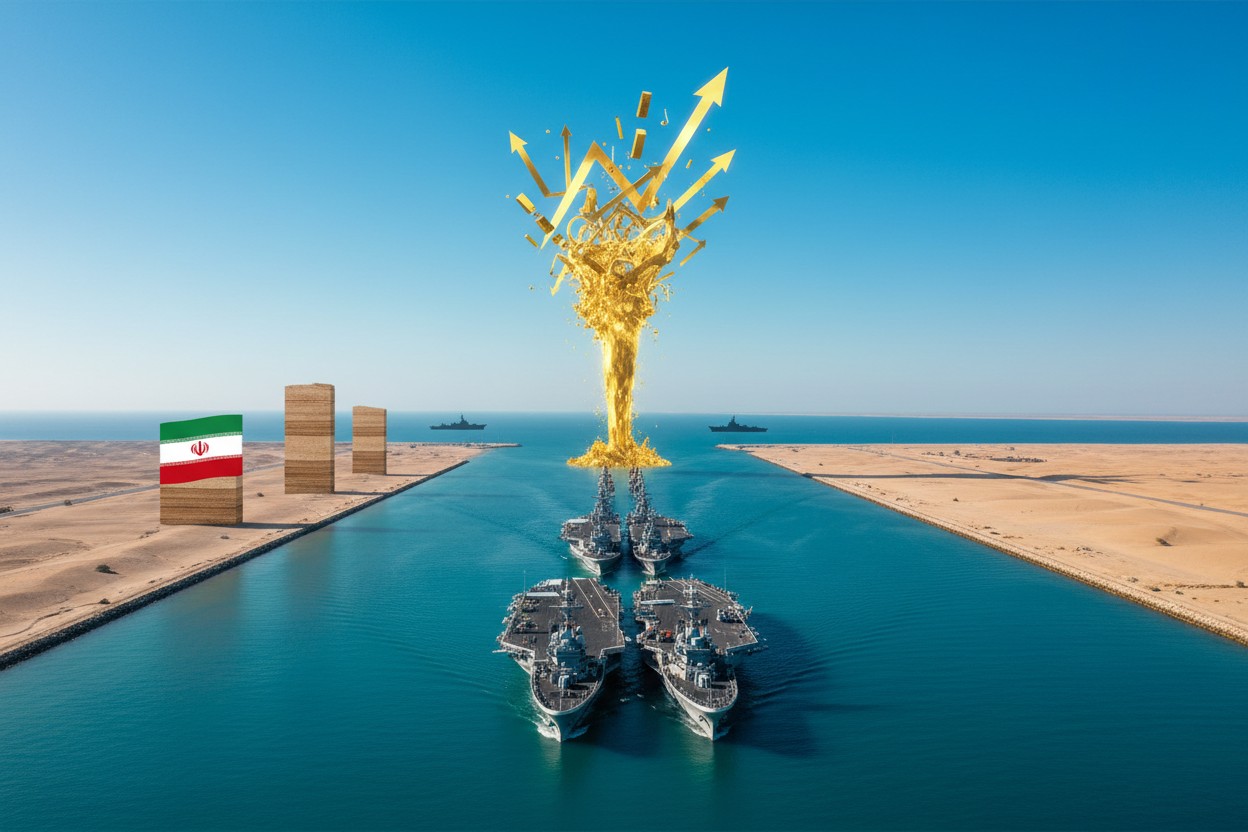
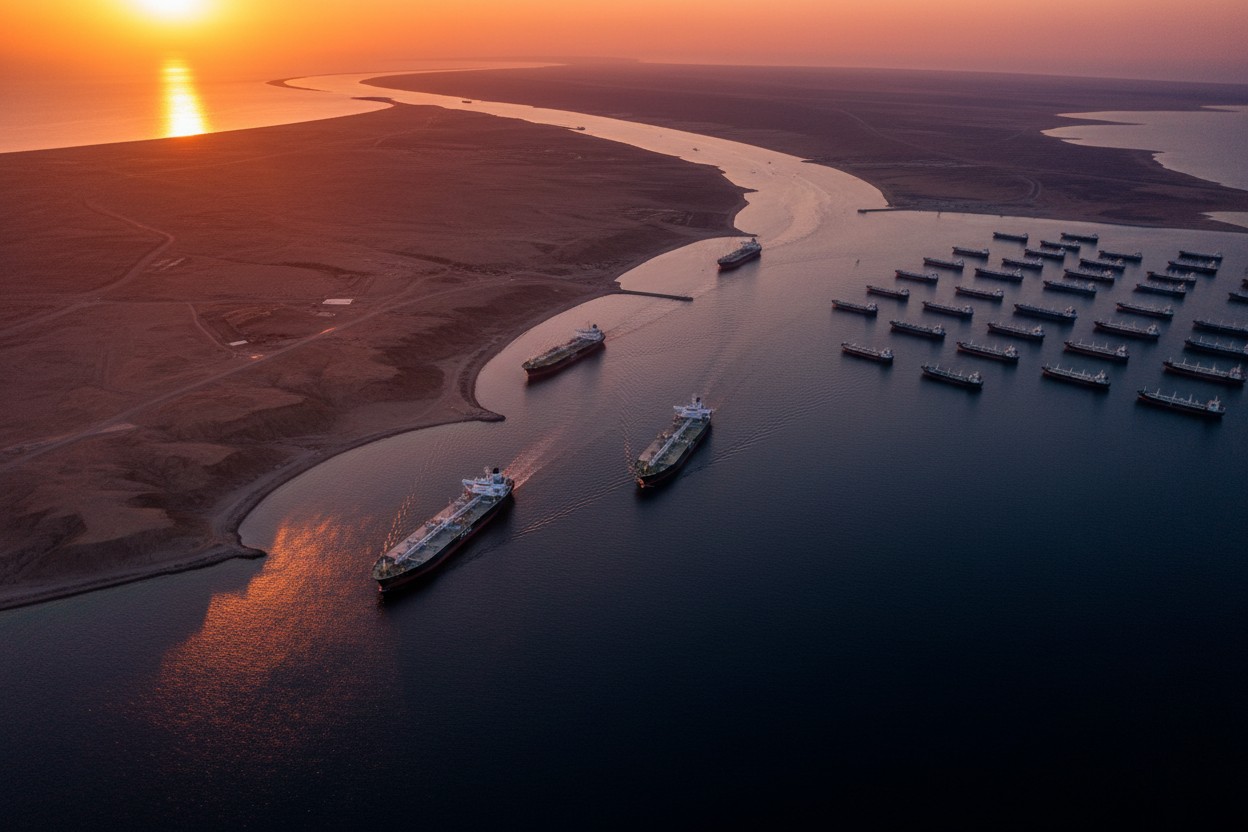
Officials have cited broader supply chain vulnerabilities and recent global tensions affecting energy and trade routes as justification for the strategy. The context includes a focus on maritime chokepoints like the Strait of Hormuz, where disruptions can cascade through the global system. [16][17] Securing mineral access is framed as vital for both economic competitiveness and national defense.
The strategic pivot follows the Trump administration’s shutdown of USAID, an agency long suspected by critics of serving as a vehicle for covert influence. The new model consolidates health and resource diplomacy directly under the State Department. [3] This move aligns with a foreign policy described by officials as focused on national interests and reciprocity. [18]
Conclusion: Implications for Future Relations
The proposal to link health aid to mineral access marks a notable shift in how the U.S. frames development and health assistance, analysts have observed. Its reception may influence other nations’ willingness to engage in similar resource agreements and could reshape long-standing aid partnerships. [5]
Further diplomatic talks on the matter are scheduled for the coming months, officials confirmed. The outcome will be closely watched as an indicator of whether this transactional model becomes a sustained feature of U.S.-Africa relations under the current administration. [4]
As global competition for resources intensifies, the ethical and practical ramifications of conditioning health support on commercial concessions are likely to remain a subject of international debate and scrutiny.
References
- How U.S. Health Funding Became a Tool for Securing Critical Minerals. – RareEarthExchanges.com. April 6, 2026.
- ‘Secret’ US health deals in Africa face backlash – WaPo. – RT.com. April 7, 2026.
- Trump administration shuts down USAID, ending decades of covert operations. – NaturalNews.com. Finn Heartley. February 3, 2025.
- Trump’s Pacific and Africa Strategies: A Critical Minerals Gamble to Counter China. – NaturalNews.com. Willow Tohi. July 10, 2025.
- U.S. Shifts from Aid to Access in Africa Amid Global Race for Critical … – The Habari Network.
- Medicine for Minerals: US Foreign Assistance in Africa. – Foreign Policy Research Institute. March 27, 2026.
- US seeks Zambia minerals in exchange of health funding, report says. – TRT Afrika. March 18, 2026.
- Minerals for aid: Are new US health deals ‘exploiting’ African … – Al Jazeera. April 1, 2026.
- ‘Secret’ US health deals in Africa face backlash – WaPo. – NexusNewsFeed.com. April 7, 2026.
- US Speeds Up Signing Of Bilateral Health Agreements, DRC … – Health Policy Watch. March 2, 2026.
- The Great Mineral War: U.S. Challenges China’s Stranglehold on Congo’s Rare Earth Riches. – NaturalNews.com. Lance D. Johnson. July 31, 2025.
- DR Congo government says 200 killed after landslide at rebel-held mine. – BBC.com. March 5, 2026.
- Today’s WHO Works for the Pandemic Industrial Complex — That’s Why Mpox Is a Public Health Emergency. – Children’s Health Defense.
- 2026 Critical Minerals Ministerial. – U.S. Department of State. February 1, 2026.
- 2026 Critical Minerals Ministerial. – U.S. Mission to The African Union.
- Chokepoints & Chaos: The Hidden Battlegrounds of Global Power. – NaturalNews.com. Belle Carter. February 2, 2026.
- Systemic Risk: A 12-Order Cascading Analysis Of A Zero-Flow Strait Of Hormuz Closure. – ZeroHedge.com. March 5, 2026.
- AIDS and Ebola. Leonard Horowitz.

Submit a correction >>
Tagged Under:
Africa, American health funding, big government, cobalt, Congo, copper, critical mineral deposits, DRC, foreign relations, lithium, medical support programs, metals, mineral access, money supply, national security, supply chain, Trump, USAID, Zambia
This article may contain statements that reflect the opinion of the author
RECENT NEWS & ARTICLES