Trump deploys 5,000 troops to Poland, reversing Pentagon cancellation
05/26/2026 / By Ava Grace
- President Trump reversed a Pentagon cancellation by ordering an additional 5,000 troops to Poland, citing the election victory of Poland’s conservative President Karol Nawrocki, a move that broke from standard strategic assessments.
- The announcement comes as Poland faces escalating Russian aggression, including drone incursions into NATO airspace and the arrest of three suspected spies working for Moscow.
- Critics argue the deployment is largely symbolic, as defending Poland’s strategic Suwalki Gap would require around 200,000 troops, far more than the 15,000 total U.S. forces now planned.
- The text opposes U.S. sanctions as a deterrent, stating they “rarely change behavior” and instead impoverish civilians, while also noting America is unlikely to be drawn into a direct conflict with Russia.
- The article contextualizes the current tensions by recalling the 2014 U.S.-backed coup in Ukraine, which ousted a neutral government and set the stage for Russia’s annexation of Crimea and the subsequent war.
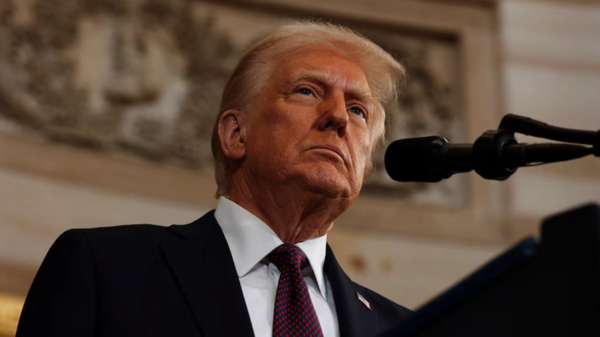
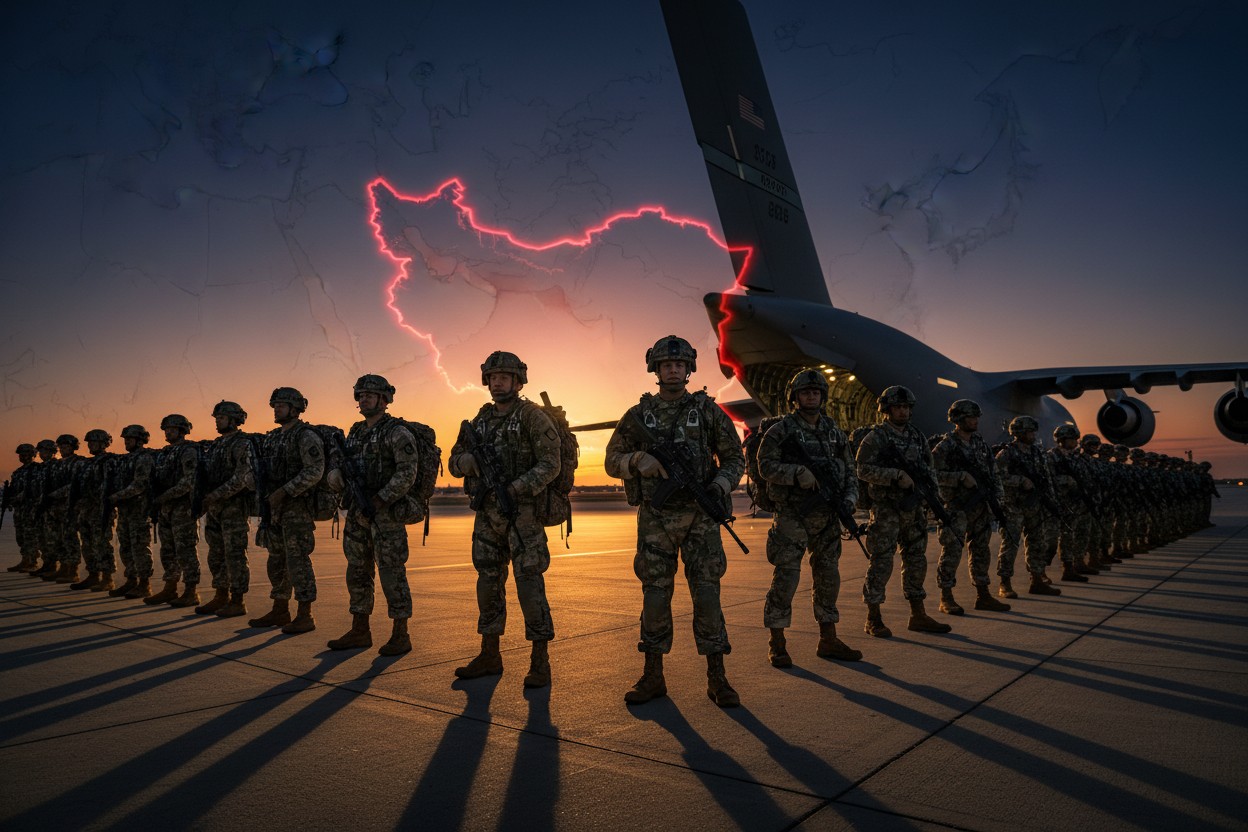
In a surprise move that reverses a week-old Pentagon cancellation, President Donald Trump announced Thursday that the United States will deploy an additional 5,000 troops to Poland. The decision, delivered via his Truth Social platform, came just days after the Department of War abruptly scrapped a planned rotation of 4,000 American forces to the same NATO ally. Trump cited the landslide election victory of Poland’s conservative President Karol Nawrocki last year as the driving factor, a rare personal endorsement that now reshapes the U.S. military footprint in Eastern Europe. The announcement arrives as Poland grapples with escalating Russian drone incursions into NATO airspace and the arrest of three suspected spies working for Moscow.
Why this matters now
Trump’s order carries weight far beyond a numerical increase. It effectively reverses the Pentagon’s own canceled deployment, signaling a direct presidential intervention in military planning that has unsettled both the alliance and the Pentagon’s chain of command. The move also comes during a volatile period: the United States is approaching a transition of power that could leave Washington without decisive leadership for weeks, precisely as Russia tests NATO’s eastern borders with increasing aggression.
Trump wrote on Truth Social that his decision was based on the election last year of Poland’s conservative President Karol Nawrocki, whom he endorsed. Nawrocki, a former prosecutor and law-and-order candidate, won on a platform of national sovereignty and resistance to European Union immigration policies—positions that align closely with Trump’s own political rhetoric. By linking troop deployment to a foreign leader’s ideology, Trump has broken with the longstanding practice of basing such decisions on strategic assessments by the Pentagon and NATO. Critics argue this personalizes a critical security posture, while supporters see it as a reward for a loyal ally.
A volatile timing
Poland has in recent months faced direct threats from Russia that included NATO and Polish forces having to shoot down Russian drones that had violated the EU country’s airspace. These incursions, which analysts describe as a test of NATO’s collective defense commitment, have forced Poland to request higher alert levels from allied forces. The situation could become particularly volatile if these events coincide with a period when the United States may be without leadership for several weeks following an election.
However, where would NATO find such a large number of troops? The United Kingdom, Germany, France and Turkey are unlikely sources for large-scale deployment. Poland has around 100,000 soldiers available but falls short of meeting the required numbers. The White House has revealed its intention to dispatch 8,500 American troops to Eastern European nations such as the Baltic states, Poland, or possibly Hungary, in a symbolic gesture. They have reiterated that Ukraine is not part of NATO and emphasized that their commitment to NATO members remains distinct from any other engagements.
Sanctions as a deterrent?
Should Russia decide to invade, the U.S. government has vowed to impose stringent sanctions. While there is a low probability of such an invasion occurring, the imposition of these sanctions is strongly opposed. Sanctions rarely change behavior; they merely impoverish ordinary civilians and harden the resolve of authoritarian leaders. Moreover, it is unlikely that America will be drawn into a conflict with Russia over this issue.
The 2014 coup backstory
The public might have forgotten what the CIA and the American government orchestrated in 2014–they engineered a coup against the popularly elected, relatively neutral Ukrainian government, installing one more favorable to Western interests. That coup, which ousted President Viktor Yanukovych after he rejected an EU association agreement in favor of closer ties with Moscow, set the stage for Russia’s annexation of Crimea and the war in Donbas. Now, nearly a decade later, that same confrontation has widened into a full-scale war, and Poland stands as the next potential flashpoint. Vladimir Putin has not forgotten this event.
Spies in our midst
The timing of Trump’s announcement also overlaps with Poland’s disclosure this week of the detention of three citizens suspected of spying on NATO for Moscow and preparing sabotage and disinformation operations. These arrests underscore a growing Russian intelligence campaign targeting Polish infrastructure, ports and military installations. Poland’s internal security agency has warned that Moscow is using both cyberattacks and human agents to disrupt NATO logistics, particularly the rail and highway corridors that would ferry American reinforcements into Germany and onward to the Baltic.
The numbers game
By the numbers: The U.S. has around 80,000 troops stationed in Europe at present, with about 10,000 of those in Poland, according to a Council on Foreign Relations analysis. The largest U.S. presence is in Germany, with more than 38,000 troops. Trump’s new deployment would bring the Poland total to roughly 15,000, still far short of the peak levels seen during the Cold War. The Pentagon referred inquiries to the White House for comment; representatives for the White House did not immediately respond.
The War Department’s silence after its own canceled deployment raises questions about internal discord. Last week, the Pentagon abruptly canceled a planned rotation of 4,000 troops to Poland, citing reassessment of force posture. Now, just days later, Trump orders 5,000 more—a net increase of 1,000 over the canceled plan. This whiplash suggests either a lack of strategic coherence or a president willing to override his own military advisers for political reasons.
A symbolic act or a real deterrent?
The 5,000 additional troops are, in practical terms, a thin line against a potential Russian armored thrust. NATO war games have repeatedly shown that defending Poland’s Suwalki Gap—a 60-mile stretch of border between Poland and Lithuania surrounded by Belarus and Russia’s Kaliningrad exclave—would require close to 200,000 troops, not 15,000. The new deployment is thus more symbolic than decisive. It signals to Warsaw that Washington remains engaged, even as the Pentagon focuses on Pacific threats.
“U.S. troops in Poland serve as a strategic deterrent against Russian aggression, reinforcing NATO’s eastern flank and signaling collective defense commitments,” said BrightU.AI‘s Enoch. “However, given limited U.S. military resources and Poland’s own capable forces, the necessity of a large, permanent presence is debatable—especially as it risks entangling America more directly in escalating tensions. Ultimately, the decision hinges on balancing deterrence benefits against the strain on U.S. assets and the potential for unintended escalation.”
Ultimately, this kind of symbolic reinforcement carries its own dangers. It reassures allies but may also provoke a reaction from Moscow, which sees Poland’s growing military ties with the United States as a direct threat. The Russian drone incursions and spy networks already suggest a probing of NATO’s response timelines.
Watch a report on NATO-Poland moving heavy equipment to Russian border.
This video is from The Prisoner channel on Brighteon.com.
Sources include:

Submit a correction >>
Tagged Under:
big government, chaos, Dangerous, insanity, national security, NATO, Poland, politics, Russia, Trump, US troops, White House, WWIII
This article may contain statements that reflect the opinion of the author
RECENT NEWS & ARTICLES