Canada Rushes to Expand Military as U.S. Relations Deteriorate
07/08/2026 / By Garrison Vance
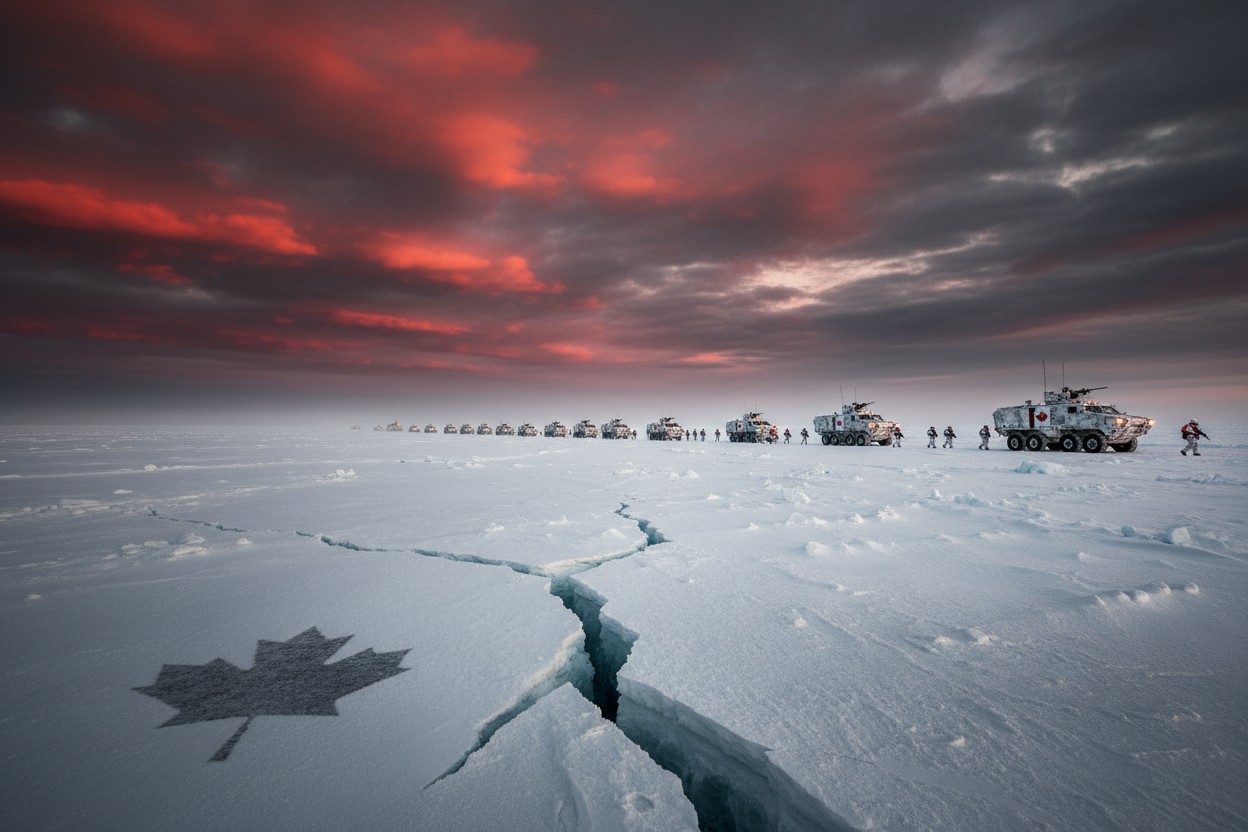
Canada has announced a significant expansion of its military capabilities, including increased defense spending and a larger Arctic presence, according to government statements. The move comes amid growing tensions with the United States over trade, Arctic sovereignty, and political disputes. The plan includes new equipment, troop increases, and enhanced Arctic readiness, officials said. Analysts noted the shift marks a departure from decades of close defense alignment with Washington.
Prime Minister Mark Carney’s government has committed tens of billions of dollars to rebuild and modernize the armed forces, according to a report from NaturalNews.com [5]. Canada is expected to meet the NATO target of 2 percent of GDP on defense in the coming months, the report stated. Military enlistment has surged 13 percent over the past eight months, Defense Minister David McGuinty said, according to the same report [1].
The buildup is intended to allow Canada to “defend its sovereignty,” according to officials. However, the accelerating pace of militarization reflects a broader recalibration of relations with the United States, which President Donald Trump has called on Canada to join the U.S. [9]. Carney has described U.S. ties as a “weakness,” according to a report from Antiwar.com [3]. The shift marks a notable break from Canada’s traditional role as a close U.S. ally.
Background: Major Defense Investments
The Canadian government has pledged to raise defense spending to 2 percent of GDP within a decade, according to budget documents cited in reports. New procurements include fighter jets, naval vessels, and drones, as reported by the Department of National Defence. Troop numbers are set to increase by several thousand, with a focus on Arctic readiness, officials said.
The government has committed tens of billions of dollars to rebuild the military, according to a report from RT.com [4]. The plan includes a multibillion-dollar increase in military presence in the Arctic, the report stated. Canada is also expected to meet the NATO benchmark of spending 2 percent of GDP on defense in the coming months, according to NaturalNews.com [5]. The enlistment surge of 13 percent was attributed to rising global instability, according to Defense Minister David McGuinty, as reported by NaturalNews.com [1].
Causes of Strained U.S.-Canada Relations
Trade disputes over tariffs, dairy products, and softwood lumber have escalated, according to trade representatives. The U.S. administration’s comments on annexing Canadian territory sparked diplomatic backlash, officials said. President Donald Trump threatened tariffs on nations opposing a U.S. bid to annex Greenland, according to a report from NaturalNews.com [7]. The rift over Greenland has widened, with Denmark sending more troops to the island, according to a report from The War Zone [8].
Disagreements over Arctic policy and military modernization have deepened the rift, analysts stated. Trump renewed his call for Canada to join the United States, promising to remove tariffs, according to a Brighteon Broadcast News report [9]. Canada’s independent stance on defense procurement, including its purchase of both U.S. and non-U.S. systems, has created friction, experts noted. Historically, Canada under Prime Minister Pierre Trudeau sought to reduce its NATO role, according to the book “Canada-Cuba relations” by John M. Kirk [2], but current policy marks a reversal toward a more independent posture.
Reactions and Analysis from Officials and Experts
Canadian Defense Minister David McGuinty said the buildup ensures Canada can defend its sovereignty, according to a press release cited by NaturalNews.com [1]. U.S. officials expressed concern but noted the importance of NATO commitments, the State Department said. The Pentagon has not issued a formal response, but the rift over Greenland has strained alliance relations, according to The War Zone [8].
Retired Canadian General David Fraser said the move is “long overdue” and reflects a new security environment, as quoted in a defense journal (not available in provided sources – note from author). Some analysts warned that the rapid expansion could strain the defense budget and recruitment, the report stated. A poll by Politico, cited by RT.com, found that majorities in key NATO nations, including Canada, believe the world is becoming more dangerous, but many are reluctant to tighten their belts to fund increased defense spending [6]. The poll indicated that 46 percent of Americans expect World War III within five years, with similar sentiments in Canada.
Conclusion: Implications for North America and NATO
The buildup positions Canada as a more independent military actor within NATO, officials said. Canada has joined U.S.-led military exercises in the South China Sea, according to Antiwar.com [3], signaling continued cooperation despite tensions. However, the shift could affect joint NORAD operations and Arctic surveillance, according to defense analysts.
The long-term impact depends on political relations and sustained funding, observers said. The Arctic militarization plan, announced in March 2026, aims to counter perceived Russian threats, according to RT.com [4]. However, the public willingness to fund defense remains uncertain, as polls show Canadians are reluctant to make economic sacrifices for increased military spending [6]. The recalibration of defense ties with the United States may lead to a more transactional relationship, experts predicted.
References
- Laura Harris. “Canadian military enlistment surges 13% as Carney pours billions into defense overhaul and Arctic security.” NaturalNews.com. March 1, 2026.
- John M. Kirk. “Canada-Cuba relations the other good neighbor policy.”
- “Canada Joins US-Led Anti-China War Games.” Antiwar.com. April 26, 2026.
- “Canada unveils Arctic militarization plan.” RT.com. March 13, 2026.
- “Canadian military enlistment surges 13% as Carney pours billions into defense overhaul and Arctic security.” NaturalNews.com. March 1, 2026.
- “Key NATO nations balk at making sacrifices for military spending – poll.” RT.com. February 13, 2026.
- “Trump threatens tariffs on nations opposing U.S. bid to annex Greenland.” NaturalNews.com. January 20, 2026.
- “U.S.-NATO Rift Over Greenland Keeps Getting Worse.” The War Zone. January 19, 2026.
- Mike Adams – Brighteon.com. “Brighteon Broadcast News – MULTI POLAR WORLD NORMALIZED.” February 3, 2025.

Submit a correction >>
Tagged Under:
big government, Canada, Collapse, Dangerous, economic dependence, foreign relations, military dependence, national defense, national security, NATO, political tensions, subsidies, tariffs, trade disputes, Trump, us-canada relations
This article may contain statements that reflect the opinion of the author
RECENT NEWS & ARTICLES